
BOOK EXPLORERS
~Weep Not Child~

WEEP NOT CHILD, A REVIEW
By Book Explorers

“Sunshine always follows a night. We sleep knowing and trusting that the sun will rise tomorrow” -Njoroge.
Weep Not, Child integrates Gikuyu mythology and the ideology of nationalism that serves as catalyst for much of the novel's action. The novel explores the negative aspects of colonial rule over Kenya. Njoroge's aspiration to attend university is frustrated by both the violence of the Mau Mau rebels and the violent response of the colonial government. This disappointment leads to his alienation from his family and ultimately his suicide attempt.
MAIN THEMES
Colonialism & Land Dispossession
The story is set during the Mau Mau rebellion and its aftermath, highlighting the displacement of indigenous people by colonial settlers and the imposition of alien laws and systems. The British seize the fertile Kikuyu land, uprooting families like Ngotho, destroying both livelihoods and cultural ties to ancestral soil. Many countries still grapple with the lingering effects of colonialism, including unequal land ownership, economic disparities, and the erosion of cultural identities. For example, the ongoing land disputes in South Africa and the debates about reparations for slavery are direct echoes of colonial legacies. The Ogiek are being chased away and displaced from the Mau Forest in Kenya to protect the environment, causing over a hundred to lose their homes and livelihoods. Ngugi depicts Njoroge’s family’s struggle to retain their land and resonates with the struggles of indigenous communities worldwide who are fighting to regain their ancestral lands.

Education as Liberation (and Its Limits)
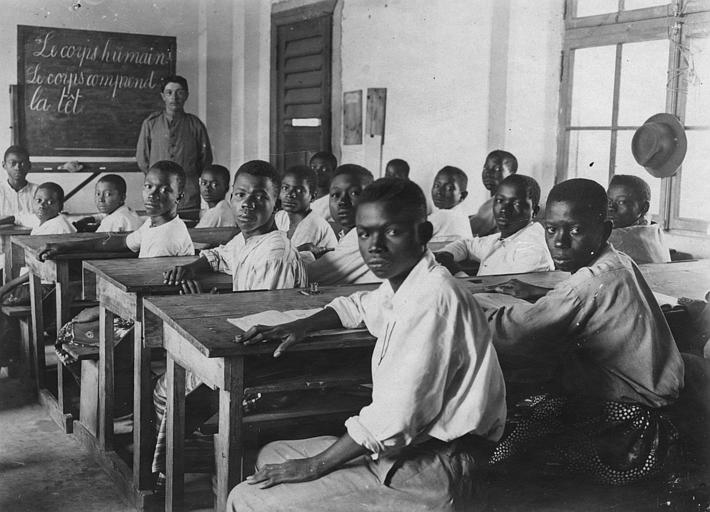
Njoroge's faith in colonial schooling embodies hope for personal uplift, yet he discovers that even a diploma can't erase the racism and political barriers entrenched by the very system that educates him, leading him to question his worth and the meaning of his life. In many urban districts, students attend underfunded schools, which sometimes have poor infrastructure. The graduation rate is very high, but that does not guarantee access to higher education, let alone meaningful employment. Even during the COVID-19 pandemic, most school-going children were unable to access the e-learning platforms or the remote school programs that were running, which required internet and devices that many families were unable to afford. These systemic barriers also affect many individuals in their personal and professional growth as they struggle to find their place in a world shaped by inequality and injustice. Njoroge’s internal struggles resonate with the challenges faced by young people in post-colonial societies who grapple with the legacy of colonial systems and the quest for a better future.
Violence, Resistance & the Cost of Freedom
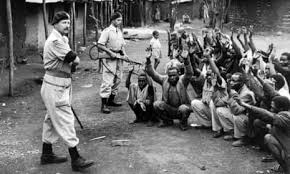
The Mau Mau uprising erupts when legal and peaceful channels prove futile because of the colonial government's violent response, leading to chaos and uncertainty, creating a backdrop of fear and instability. The ensuing brutality scars entire communities, including innocent children. Many regions face ongoing conflicts and political instability, leading to displacement, human rights abuses, and the erosion of social structures. For example, the Arab Spring in 2010-2012, where popular uprisings against the government authoritarian regimes began peacefully but often descended into armed conflict or harsh crackdowns, illustrating the fraught transition from protest to lasting reform. Njoroge’s disillusionment with violence mirrors the struggles faced by individuals in war-torn regions who witness the devastating consequences of conflict.
Summary
Weep Not, Child is one of those books that stays with you — a reminder of how personal hope can be so easily swallowed by a nation's suffering.
Wanna get updates?