BOOK EXPLORERS
~Born A Crime~

BORN A CRIME, A REVIEW
By Book Explorers
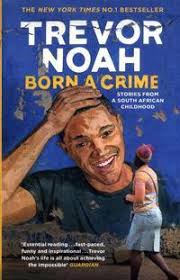
Comedian and television personality Trevor Noah gives a heartfelt and funny recounting of his experiences growing up in South Africa as an oppressed person...
Born a Crime: Stories from a South African Childhood is an autobiographical comedy book written by South African comedian Trevor Noah, published in 2016. The book focuses on Noah's childhood growing up in his native South Africa after he was born of an illegal interracial relationship during the apartheid era.
MAIN THEMES
Identity, Belonging & Exclusion
In South Africa, there were groups of whites, mixed, black, and colored people. Trevor was a mixed-race child; the father was a white man and the mother a black woman. His status under apartheid forced him to exist between legally defined categories—“born a crime” yet never fully accepted. Trevor had difficulties finding his sense of belonging and decided to explore various languages to fit into different groups. While we reflect on the African diaspora and immigrant communities, biracial or multiethnic youth still navigate conflicting expectations from different cultural groups, feeling neither “fully one” nor “fully the other” and also the U.S. “one-drop rule” legacy to Europe’s debates over multiculturalism, people of mixed heritage often become symbols of societal anxieties about purity, belonging and national identity.


Legacy of Apartheid
In South Africa, there was institutionalized segregation that shaped every aspect of Trevor's childhood from school to being monitored by policemen in their neighbourhood, and the trauma endures. Even Trevor’s dad, Robert, had a restaurant for all people in South Africa and was told to build different toilets for the blacks and whites, or else he would shut the restaurant down. Trevor and his mom used to go to three different churches every Sunday: the white, black, and the colored churches. In most African cities, post-colonial time, unequal resource allocation, and informal settlements mirror entrenched divides that restrict upward mobility. In Nairobi, there are designated areas for different races, for example, Parkland, where most Indians live. The Kenyans who try to look for residence around that area are treated differently. Similar patterns arise in the U.S, like redlining and school funding gaps, and Brazil has favelas(informal settlements) vs gated communities, showing how historic policies still dictate life chances.
Family, Protection & Survival
Patricia Noah repeatedly bends all rules, educational, legal, or social, she protects Trevor from violence. She struggles to keep Trevor in school by working hard to sustain him in school, and she still supports her family. She wants to save her son from “black tax” to break the generational cycle of poverty. During that after-church incident where she protects her sons from an attempted kidnapping by an aggressive Zulu man. Patricia suggests that Trevor move out and offers any assistance to protect him from Abel. In extended families all over Africa, relatives often pool resources, house children with safer relatives, or navigate bribery to secure opportunity. Immigrant families in Europe and North America similarly stretch to legal boundaries, like working without papers, informal remittances to shield their children from vulnerability.
Humor as Armor
Trevor's comedic gift becomes both a coping mechanism for trauma, like avoiding violence at home, and a tool to subvert authority. When he got expelled from school for eating all the sacraments in school, and in his defense, he says that since Jesus is not Catholic, he can still be allowed to eat the sacraments, hence he did not commit a crime. Another scenario is when he says to his mother that where was Jesus when she got shot and his mother responds by saying He gave her a son to pay her hospital bills, and even after the incident, Patricia jokes about how at least Trevor gets the beauty of the family cope with difficult situations. Of which they both laugh, showing that they use humor. Most young people use memes to cope with difficult situations, like the tough political situations that are currently happening. There are also comedic shows to tackle social taboos, using laughter to process grief. In a global context, from Jewish Klezmer humor born in pogrom-era Europe to modern political satire on American late-night TV, making comedy is a means to reclaim power.
Patriarchy & Resistance
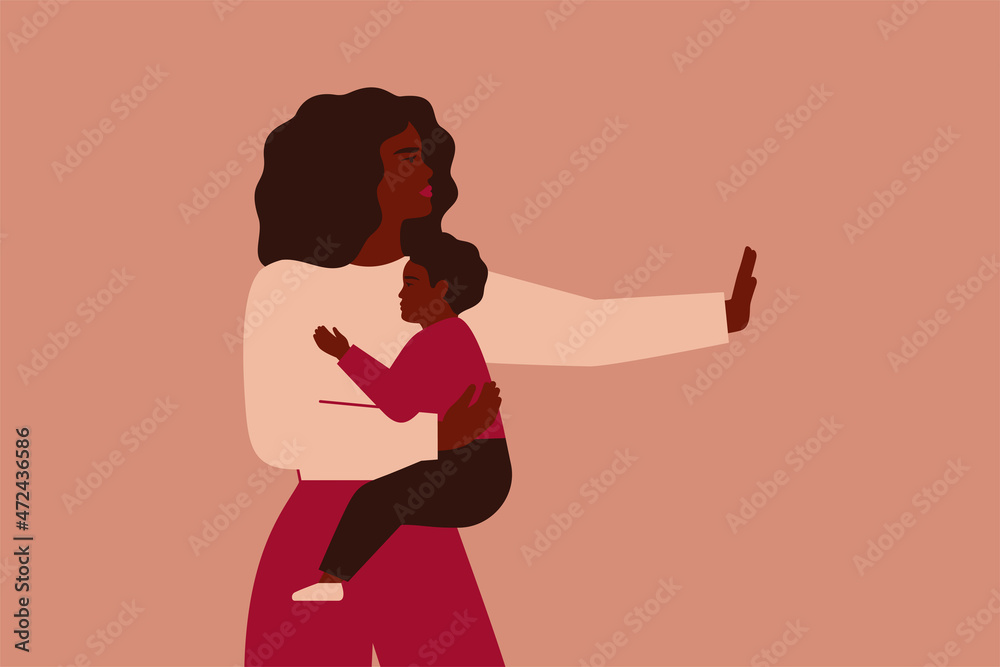
The book exposes toxic masculinity through Trevor's stepfather, Abel's abuse, and highlights Patricia’s defiance of gender norms. Abel expects Patricia to do whatever he wants without question, despite Patricia being the sole provider after Abel loses his job, which is something out of the ordinary in society. Abel abuses Patricia and claims she is hard-headed and hence has the right to beat her up because she was his wife(“property”). When she goes to report abuse to the police, they tell her, since she is a woman, she should listen to her husband, and they proceed to take no action on it. Patricia is resistant and does not agree to follow the rules at Abel’s home of bowing while serving men; instead, she mocks that culture because it seems so absurd to her and she does not agree with the fact that male kids don't work and adjust play, leaving the girls to work. Patricia insists on autonomy and safety. This is reflected across many communities where women lead single-parent households or run small businesses despite legal and social constraints.

Wanna get updates?